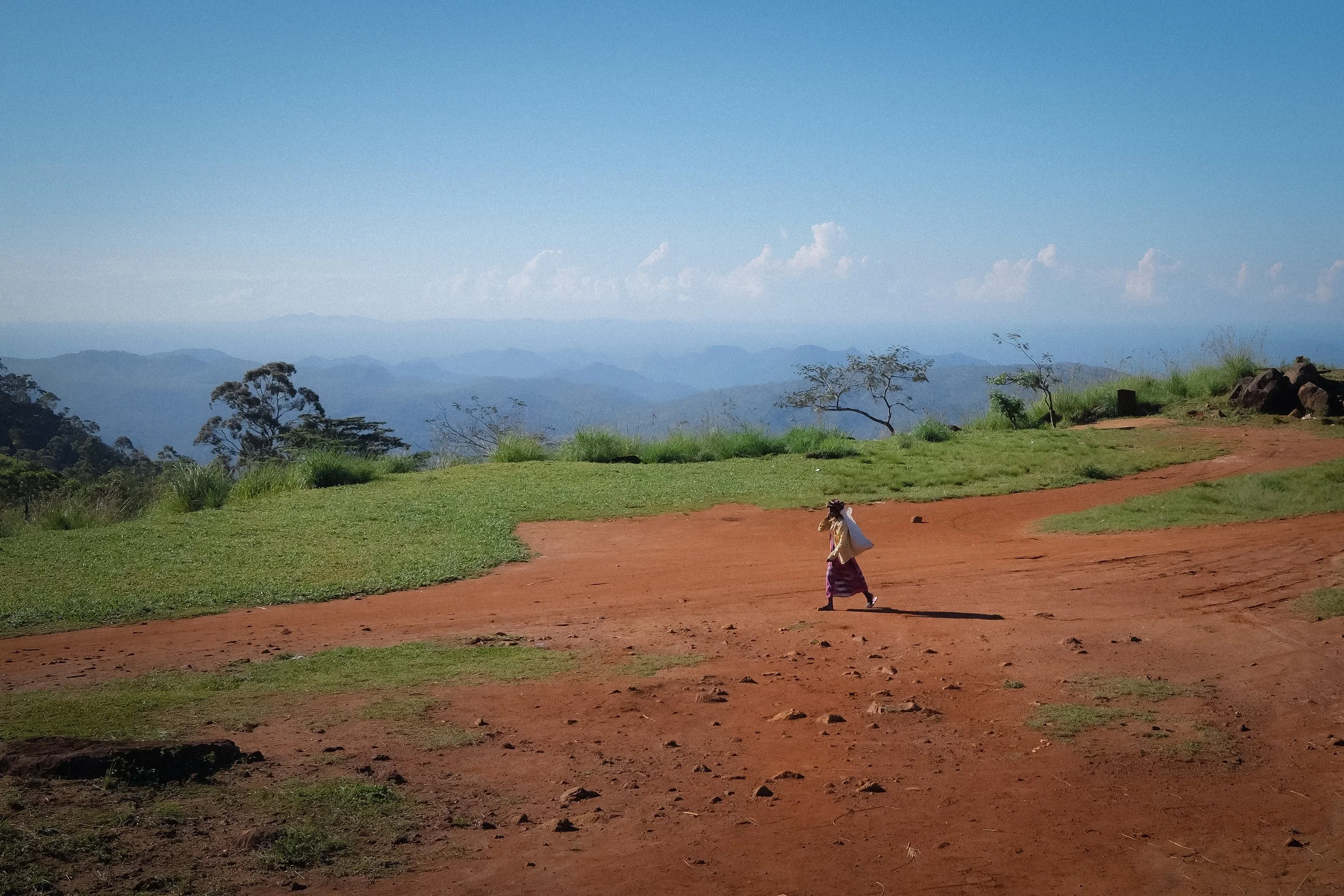
Hill Country Life
Life of Malaiyaha Tamils (Hill country Tamils) is one of my major documentaries. Since 2023, I have been travelling the areas where they mostly live in and documenting their survival, daily life and cultural identity.
Who are Malaiyaha Tamils ?
The first generation of Malaiyaha Tamils were brought to Sri Lanka (Then Ceylon) from South India by the British colonisers in the first half of the 19th century to work on the plantations. The famine and landlessness in South India at the time forced them to seek for another life in Sri Lanka. They were transported by boats from India to the north shores of Mannar , and they took a long journey through jungles to the island’s central highlands. Throughout the journey many lives lost to the sea, wild animals and diseases.
Local leaders stripped out their citizenship in Ceylon right after the country was granted independence in 1948. India and Sri Lanka signed several pacts in order to resolve the community’s citizenship issue resulting families being split and forcefully deported, never to see each other again. The community was fully granted Sri Lankan citizenship only in 2003. It is with the excessive state revenue generated by the Malaiyaha Tamils working in the plantation estates, mass social welfare services such as free education were established. However, Malaiyaha Tamil community still have a limited access to these services. Unlike the rest of the country this community is governed by the estates despite having franchise.
Despite being bounded to the land they work on and its owner and cut off from the rest of the world, Malaiyaha Tamils have initiated struggles against lower wages and living conditions throughout the history. Malaiyaha Tamil have demanded to be identified as ‘Malaiyaha Tamils, instead of ‘Indian Tamil’, ‘Plantation Tamils’, ‘Upcountry Tamils’ etc. Right to land has been a long and core demand of the community. However, they are still denied proper land rights and confined to live in slave-like conditions. In recent years, they have been victims of climate-change as most of them are living in the mountains, facing disasters like cyclone-Ditwa hit the island late 2025.
In the present day, Malaiyaha Tamils are living as one of the most marginalized and ignored community in Sri Lanka while being backbone of the country’s economy.
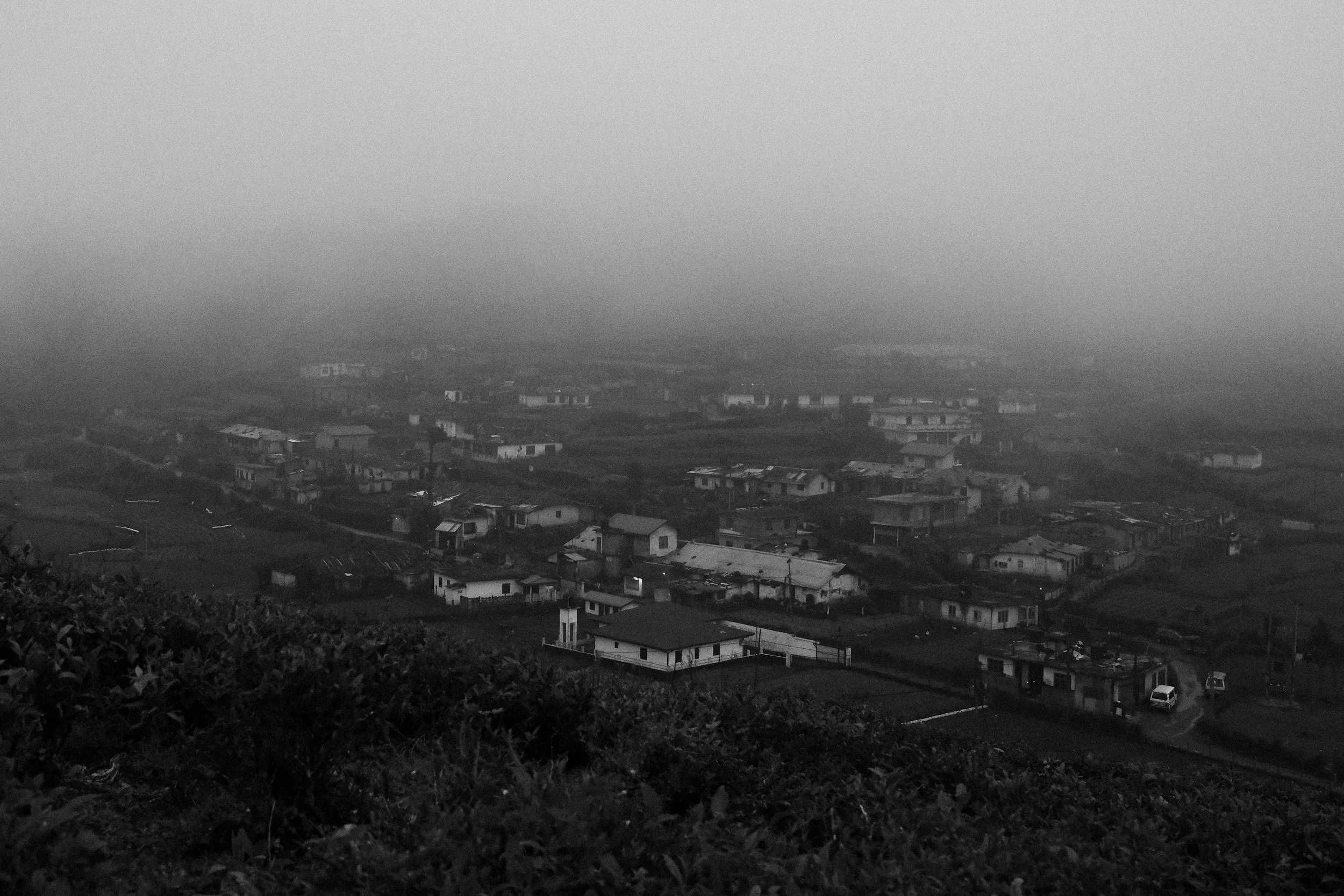
Land and Housing
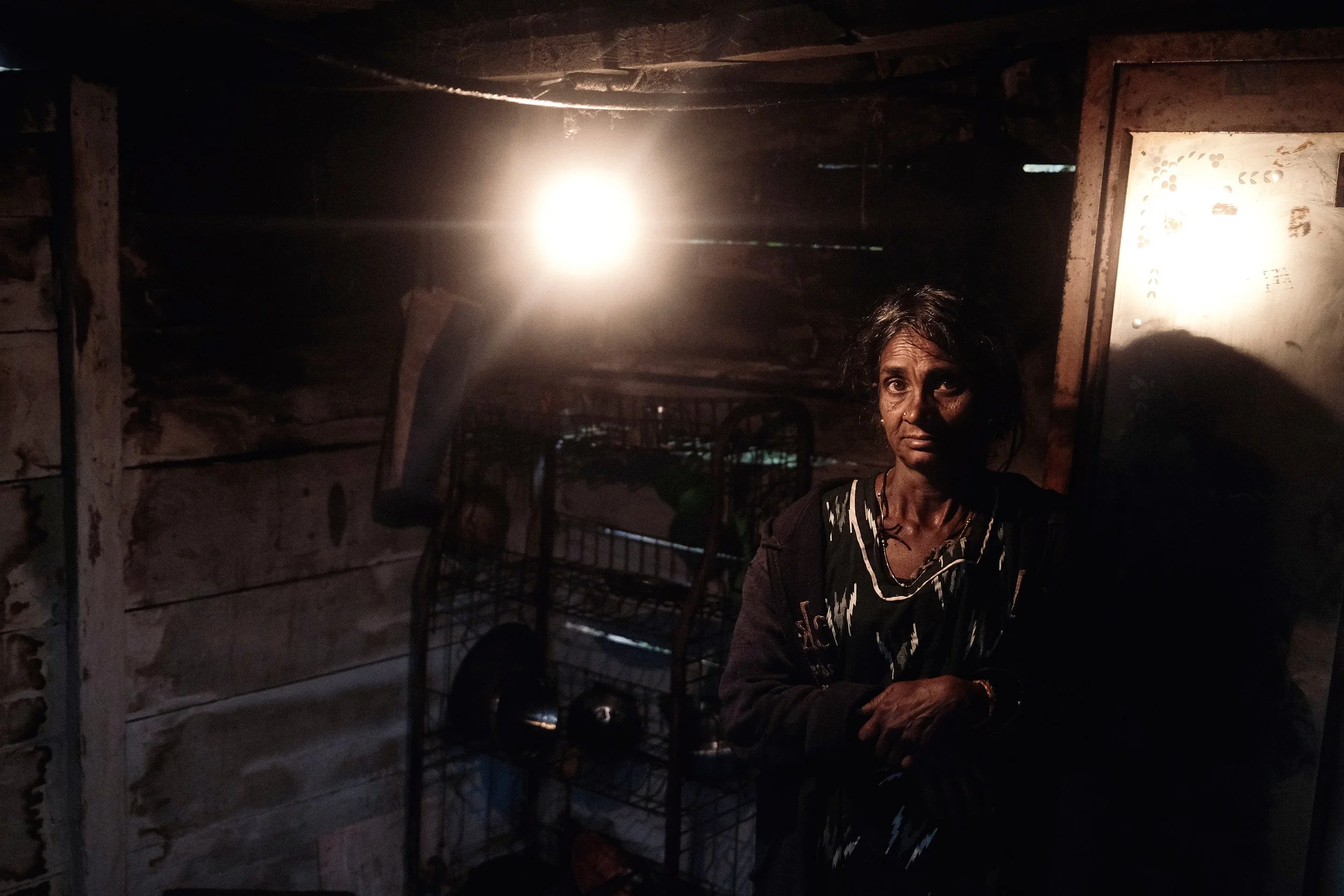
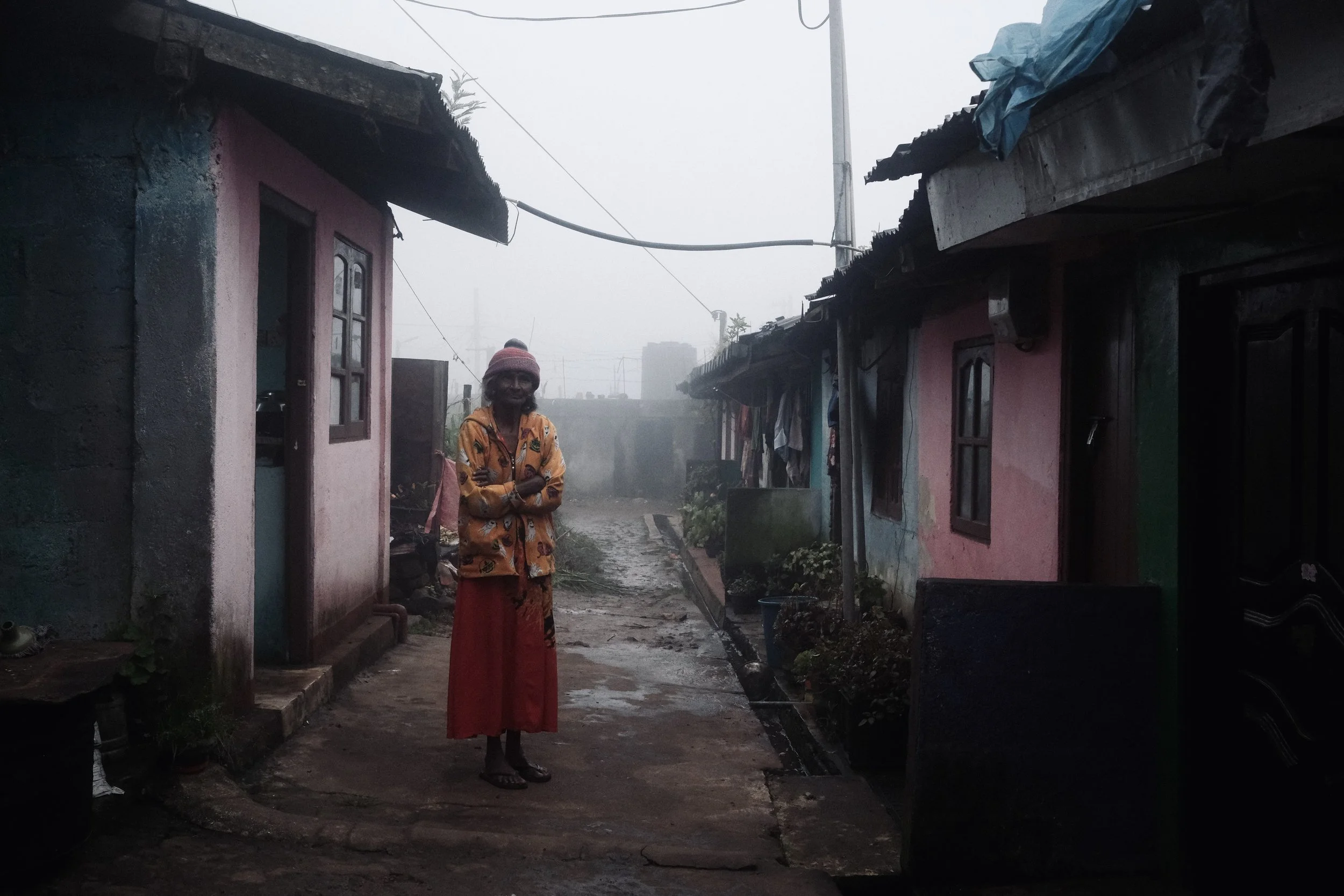
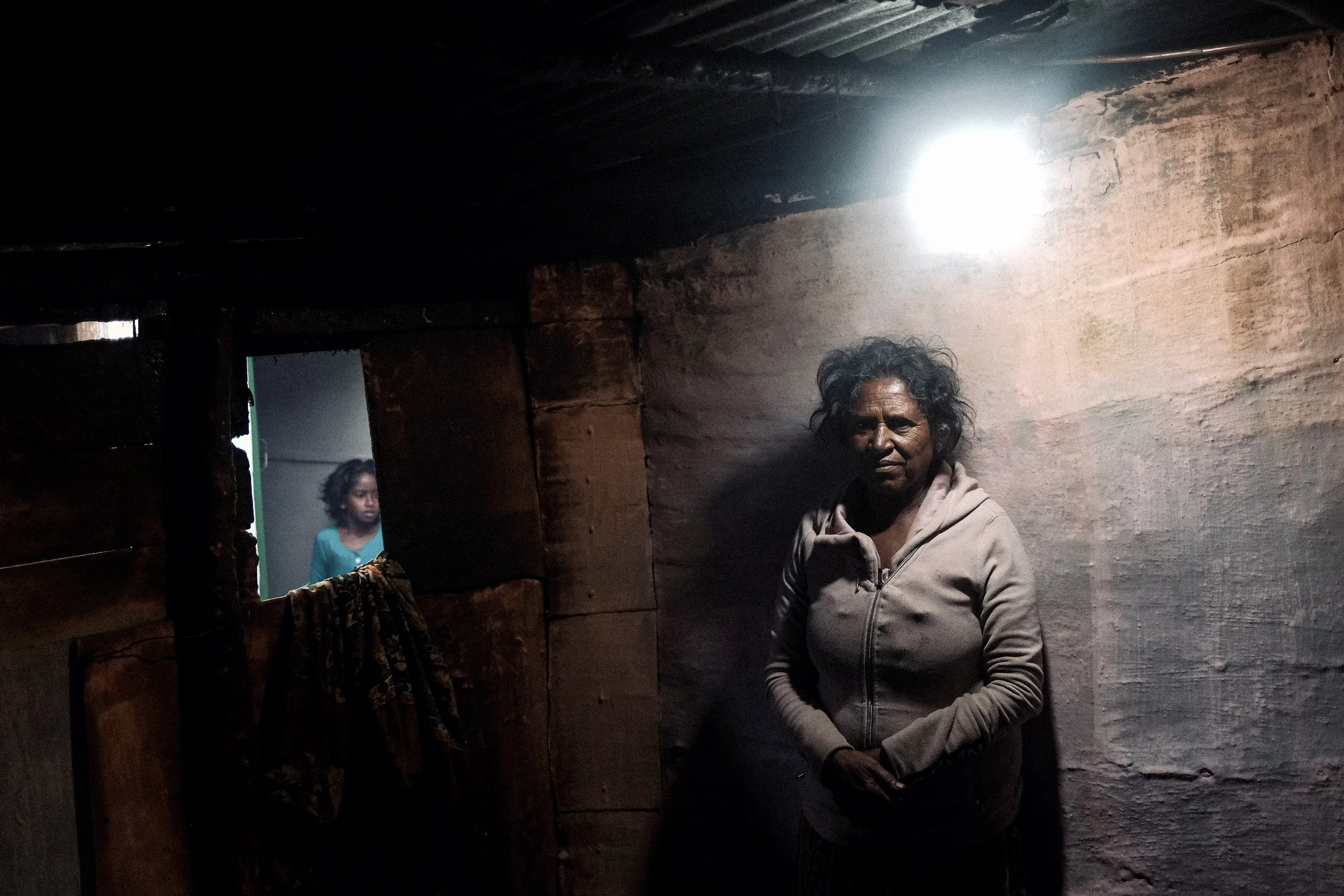
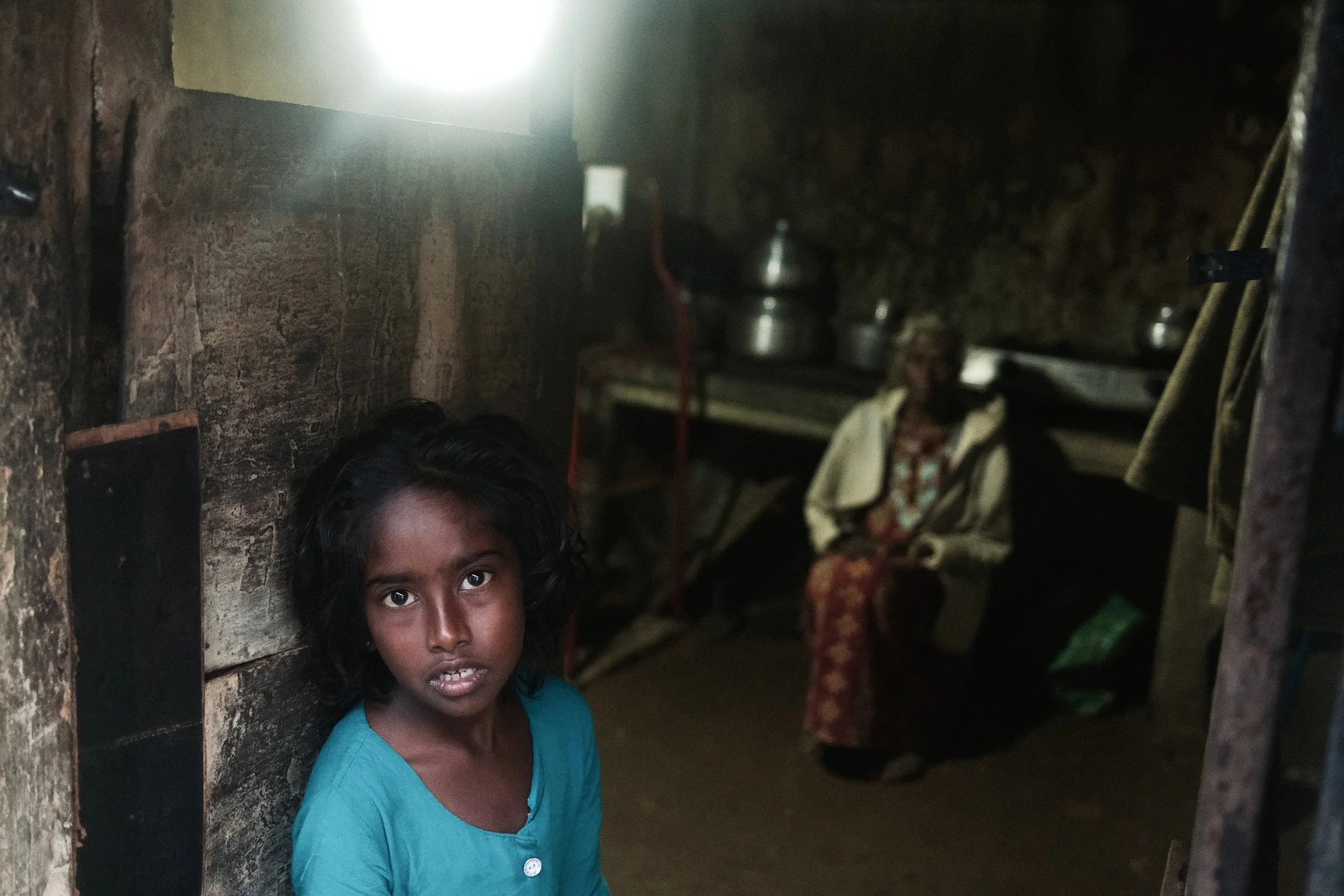
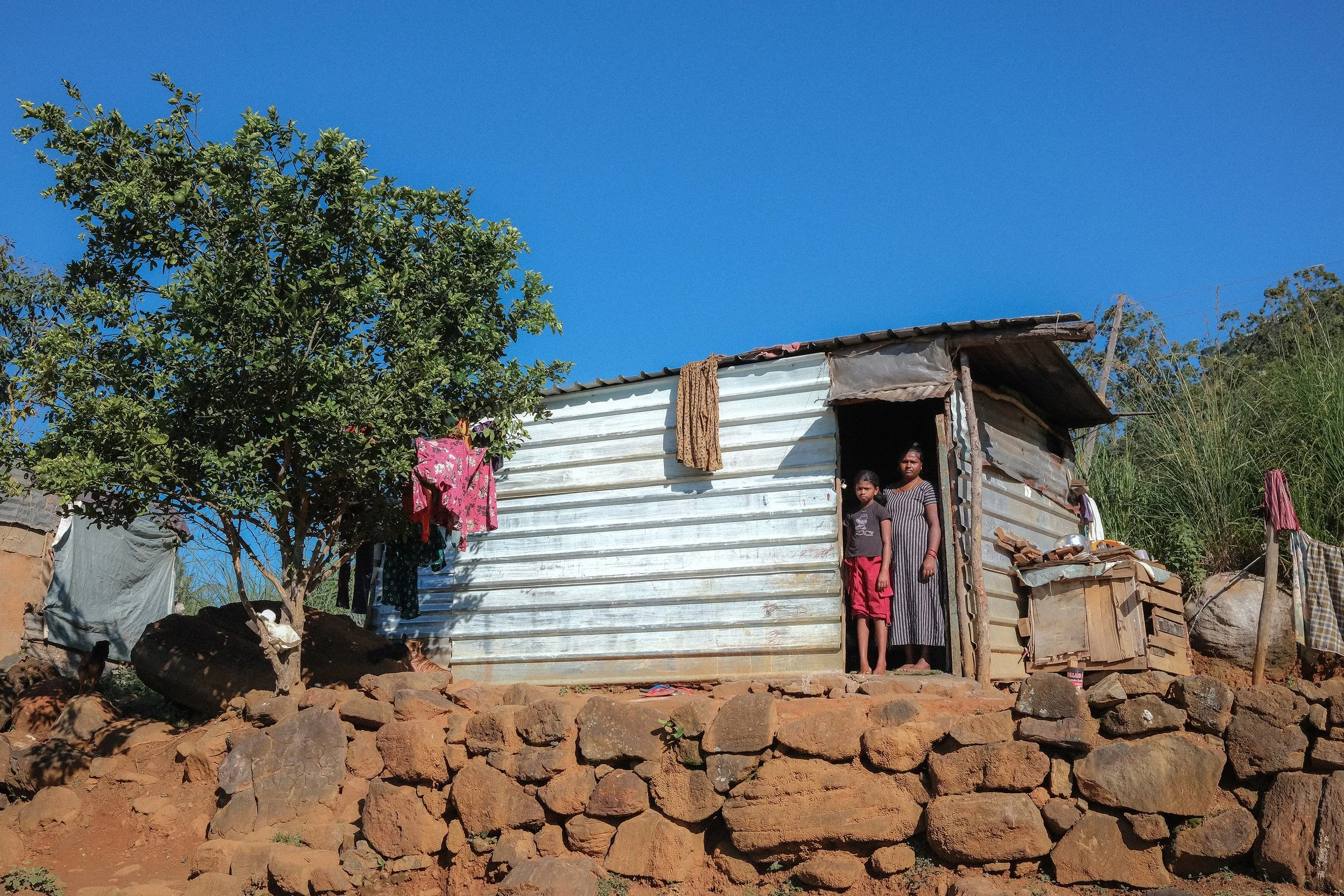
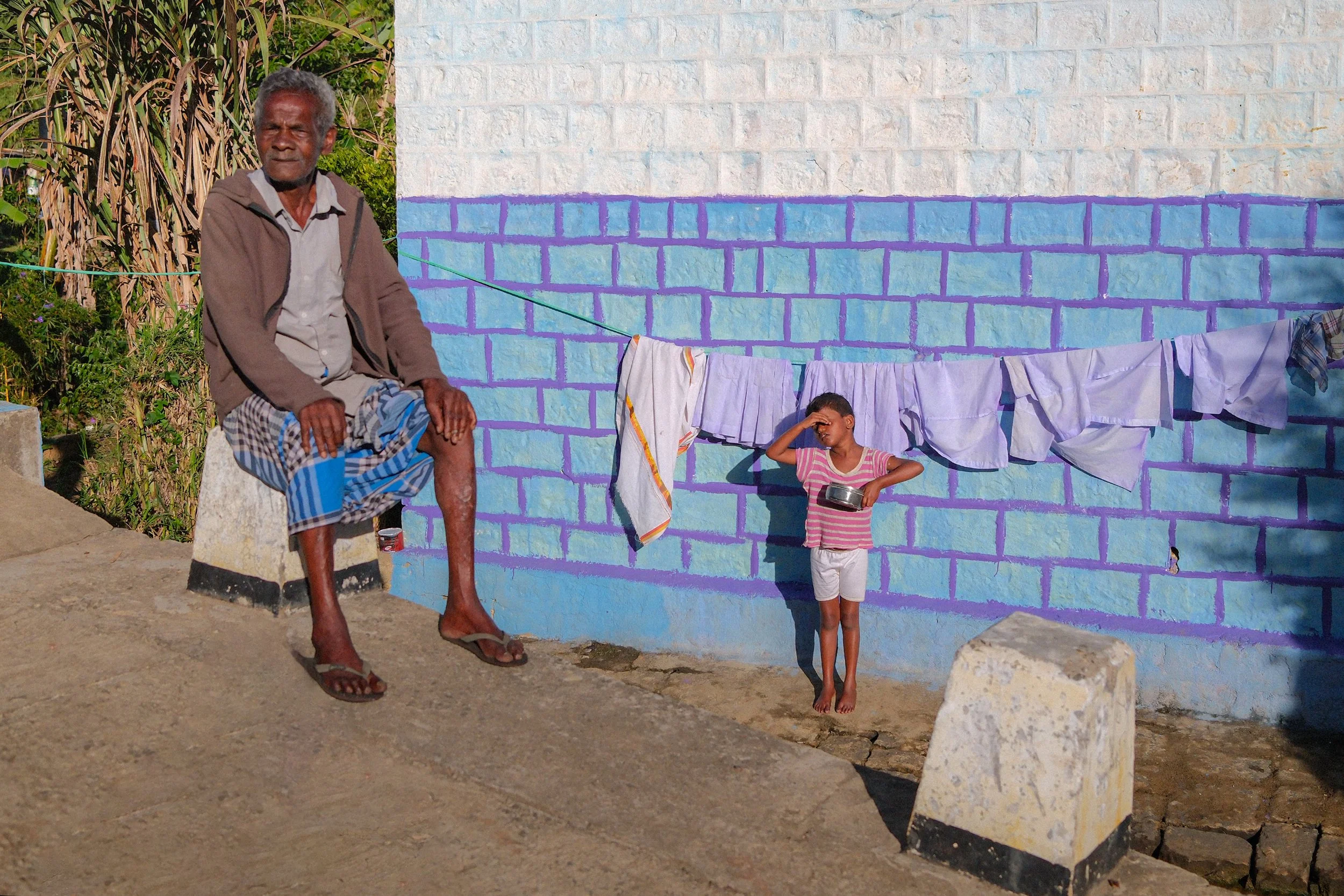
The Malaiyaha Tamil workers are living in the plantation itself in line-houses made during the colonial era or tiny houses they eventually built with their money under the approval of the estate owner. Line-rooms are typically rows of tiny single rooms (often 10 × 12 feet). Many lack windows, proper ventilation, electricity, running water, private kitchens. Several families often share a single toilet. Several families and generations live in the same line-room. Line-rooms or houses built by them, workers have no right to the land or the construction built upon it. Having a place to live is tied to employment, therefore losing the job means losing the home. Malaiyaha Tamil workers are not able to carry out any activity including burying the dead without the approval of the estate owner. This dependency perpetuates a cycle of reliance on estate work, poverty and ignorance.
Working Conditions
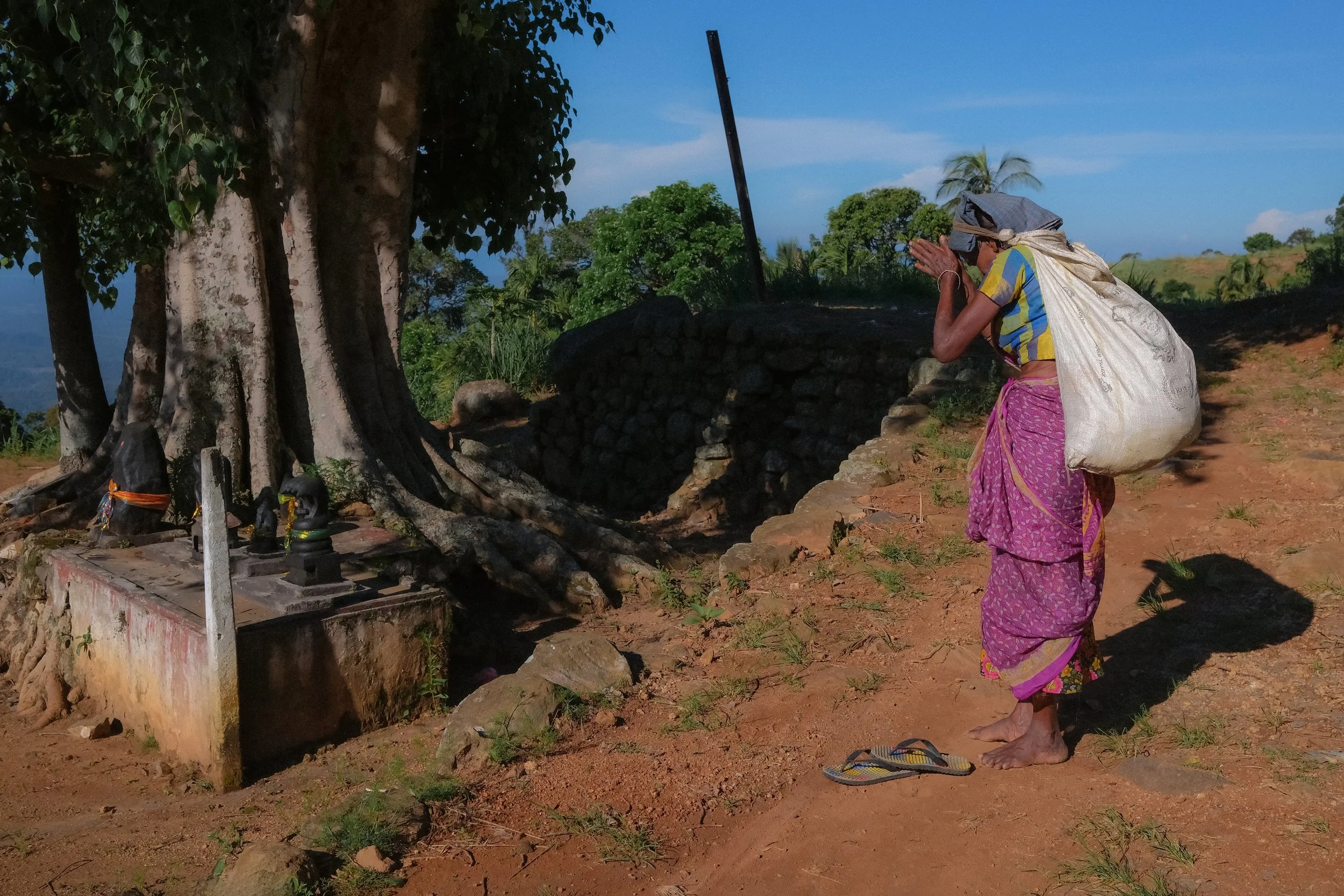
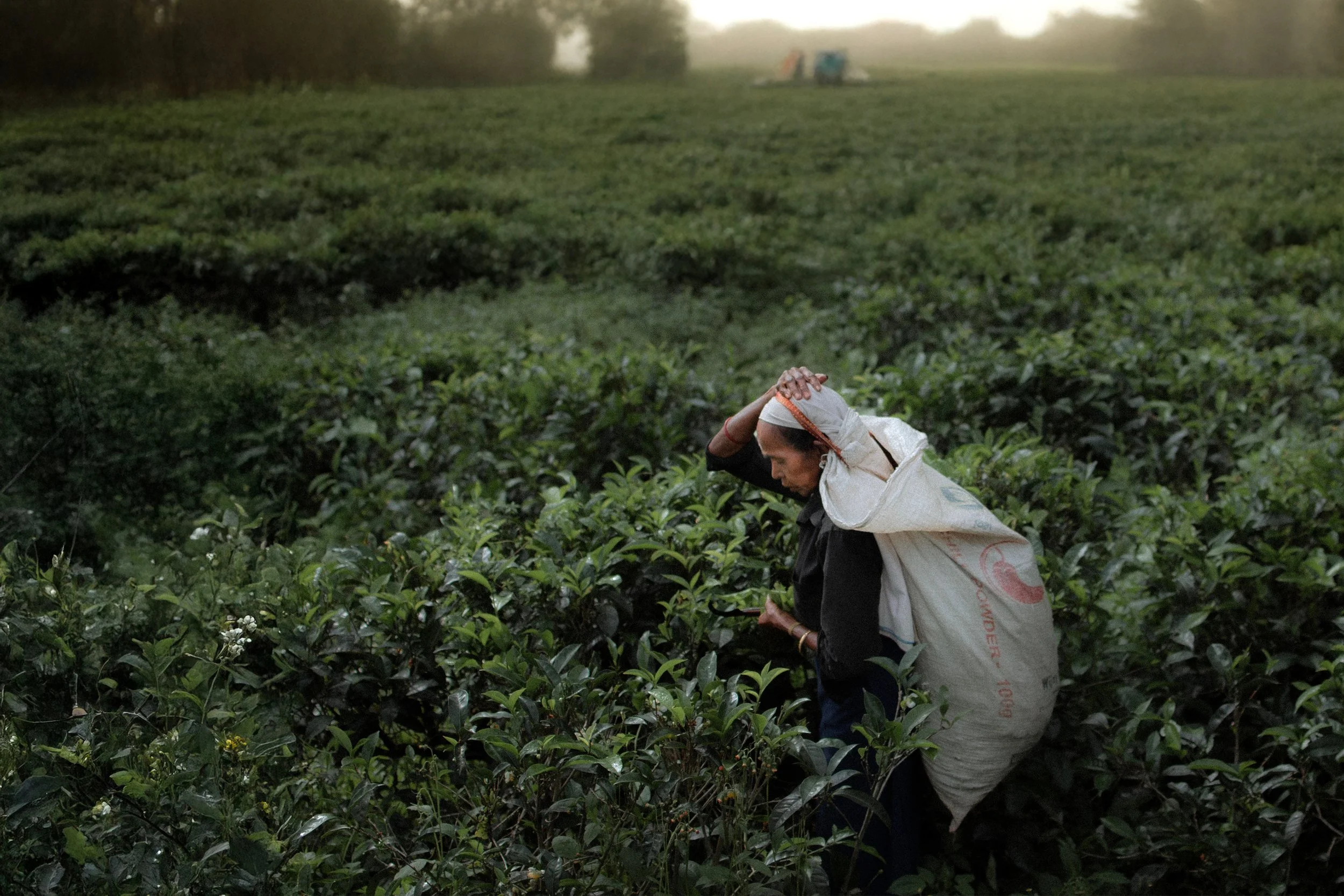
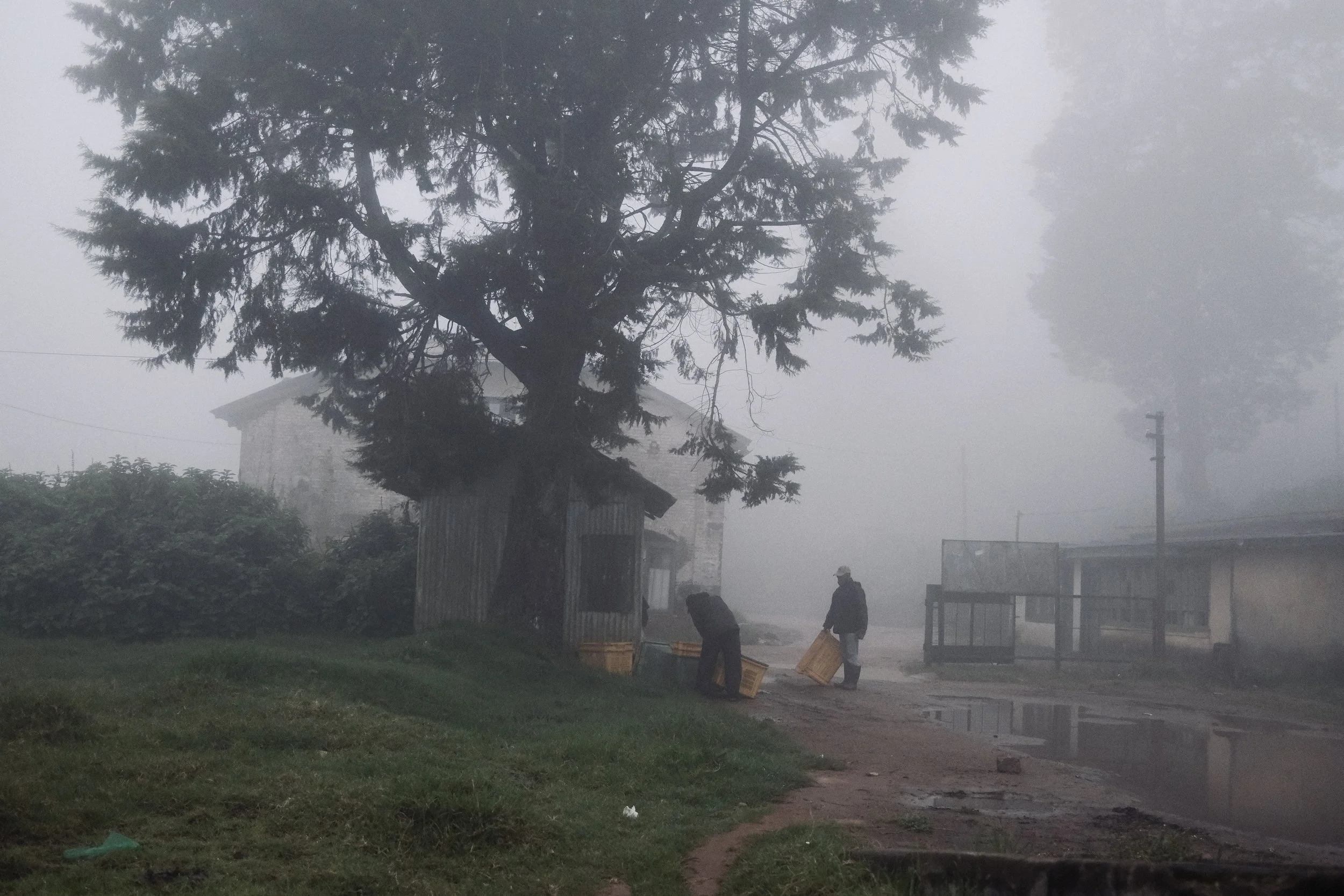
Malaiyaha Tamil community mostly work on tea plantation, but also in rubber and other plantations in several districts of the country. A worker’s typical day starts at the dawn for sometimes to walk several Kilo-meters to reach their assigned section and begin working. Tea pluckers, who are mostly women, must selectively pick only the top two leaves from each bush by hand. No machines are engaged and this is how world famous high quality ‘Ceylon Tea’ is made. This requires constant bending, reaching, and repetitive hand movements while carrying a huge tea collecting sack on the back and balancing on slippery slopes.
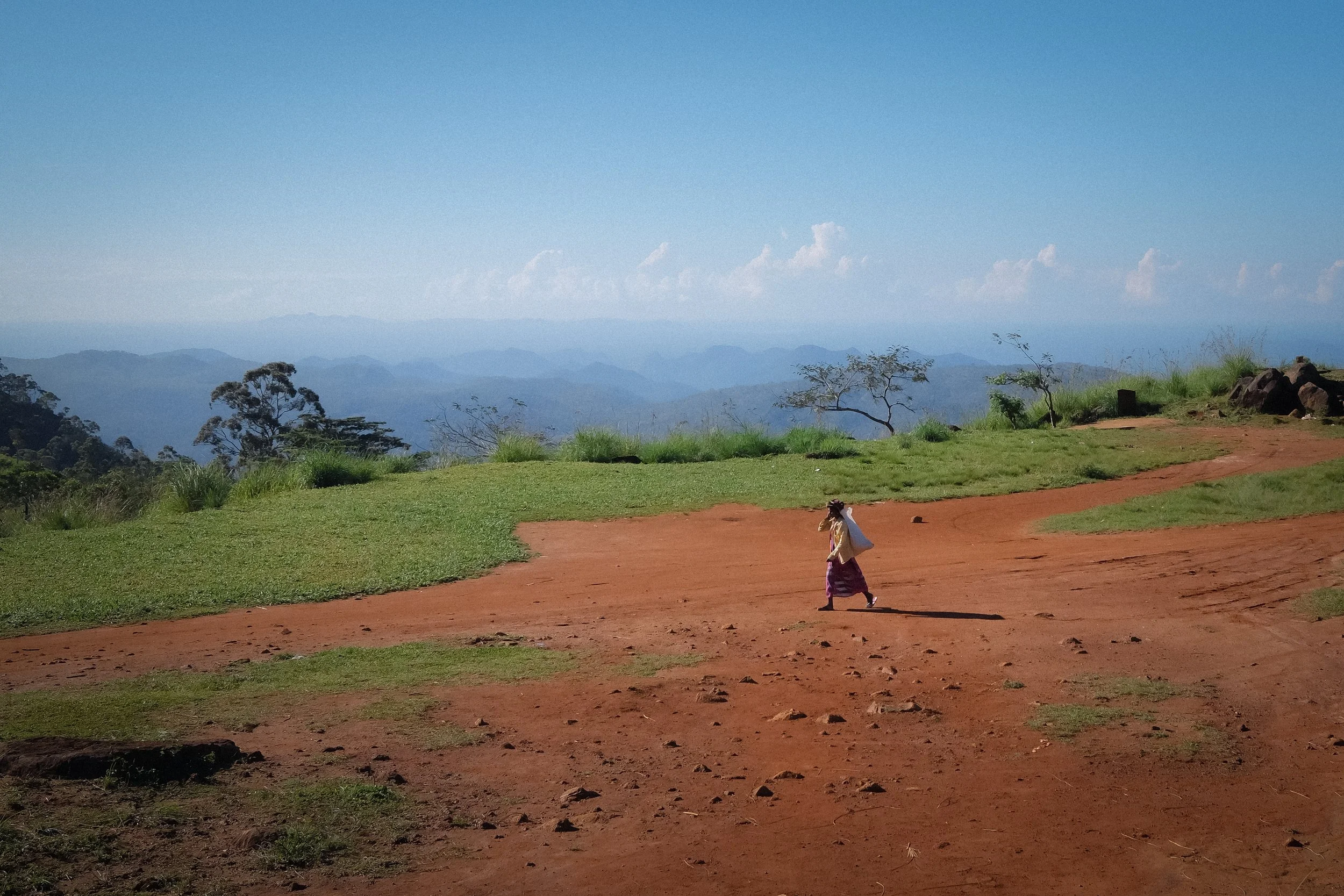
Tea pluckers should pluck 18–25 kg of fresh leaves to earn the full daily wage which is less than 6 USD with allowances or productivity incentives for meeting targets. A full workday often stretches 8 – 9 hours (with a short lunch break), ending in the afternoon when leaves are weighed. Then comes the trek back down with heavy sacks. Many women walk barefoot or in simple flip-flops, covering 10+ km daily across the terrain.
Keeping the Art of Culture Alive
Despite the daily struggles for basic living cramped line rooms, low wages tied to harsh tea plucking quota, limited access to healthcare, education, and vulnerability to landslides and economic crises, the Malaiyaha Tamils are keeping their cultural rituals and events alive. Over generations they have preserved South Indian Tamil traditions while adapting them to the realities of plantation life. Cultural practices are their identity, dignity, what bounds the community and quiet resistance against cultural erasing.
Dramatic performances like Ponnar Koothu, Sangaran Koothu, Arujunan Thabas, and Kaman Koothu continue retelling epics or local stories. These performances have evolved to incorporate themes of plantation struggles, migration, and resistance making the art and culture absorbed into their contemporary life.
It is basically a vibrant, overnight dance drama (koothu) that depicts the story of Manmathan (Kaman) disrupting Lord Shiva’s meditation, being burned by Shiva’s wrath, and the lamentation of his wife, Rathi.